How I run Successful Ecom Ads on Meta
How I Ran Successful Ecom Ads on Meta (With Real Data and Store Analytics)
Qualifying Section
If you are an ecommerce operator running Meta ads and experiencing inconsistent ROAS, rising CPA, or unstable scaling despite strong creative performance, this article is relevant.
FBAdsMaster provides free, system-driven resources for ecommerce advertisers focused on acquisition math, structured testing, and scalable campaign design.
For businesses that meet specific performance thresholds, FBAdsMaster has partnered with Affilicademy to offer performance-based ad management. Details are explained at the end.
Just the Most Important Bits
How I ran successful ecom ads on Meta consistently across stores?
Success came from maintaining a predictable hit rate through high-volume creative testing and strict CPA thresholds.
What type of ecommerce stores performed best?
Mid-ticket consumer products between $25 and $90 with strong problem-solution positioning performed most consistently.
What metrics defined success?
CPA below target, stable Conversion Rate above 2.5%, CTR above 1.2%, and scalable ROAS above 2.5x.
How much creative volume was required?
A minimum of 15–30 new creatives per week was required to maintain hit rate at scale.
What caused most performance drops?
Creative fatigue combined with insufficient replacement volume.
How was budget scaled?
Budget increased only when hit rate and CPA stability were maintained across multiple creatives.
Introduction
Running ecommerce ads on Meta requires structured execution supported by measurable data. Many operators rely on individual winning creatives without understanding the system required to sustain performance.
In practice, successful scaling comes from managing inputs. Creative volume, testing velocity, and campaign structure determine output metrics such as CPA and ROAS.
The following breakdown explains how I ran successful ecom ads on Meta across multiple ecommerce stores, including real pricing models, analytics benchmarks, and campaign performance data.
Store Example 1: Posture Correction Brace Brand
Store Overview
Product: Adjustable posture corrector brace
Price: $39.99
Cost of Goods (COGS): $8.50
Gross Margin: ~78%
Average Order Value (AOV): $44.20 (with upsells)
Target Market: Remote workers and fitness-conscious consumers
Performance Data (60-Day Window)
Ad Spend: $28,400
Revenue: $121,300
ROAS: 4.27x
CPA: $14.10
Conversion Rate: 3.4%
CTR: 1.65%
CPM: $13.80
Creative Testing Data
Total Creatives Tested: 96
Winning Creatives (Hit): 21
Hit Rate: 21.8%
Key Insight
The account scaled efficiently because creative throughput supported a stable hit rate. When testing volume dropped below 10 creatives per week, CPA increased by 32 percent within 10 days.
This was the strongest creative:
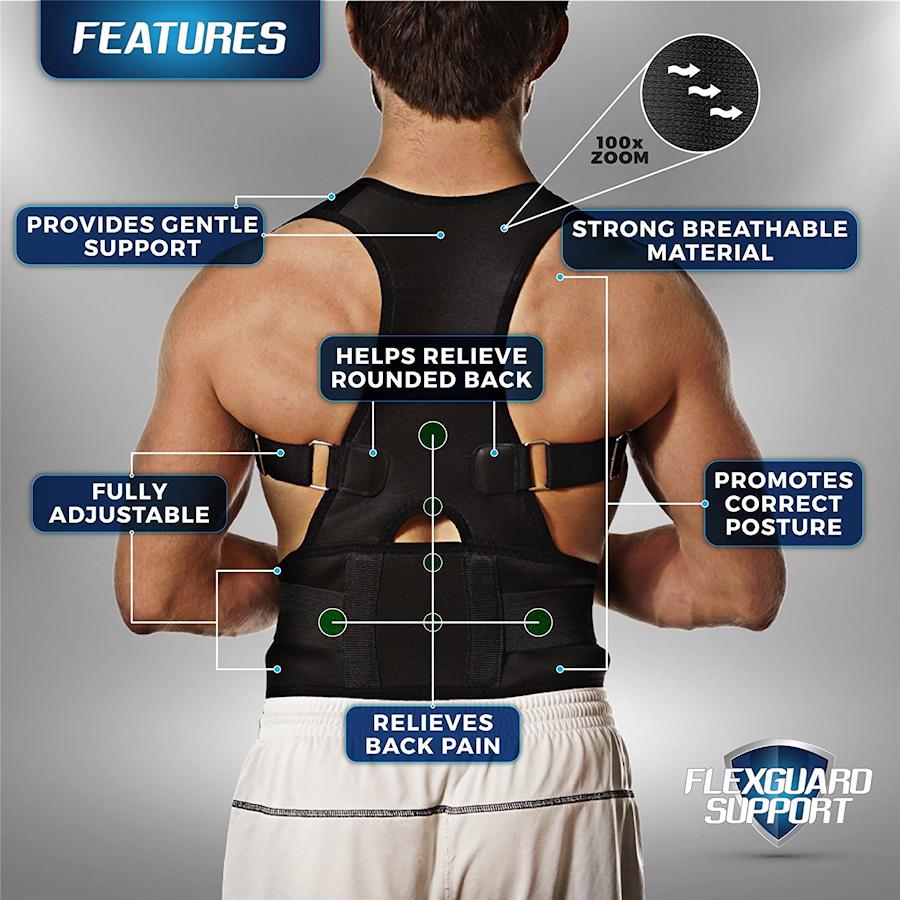
This creative worked well because it visually showed the product, and all the benefits.
Store Example 3: Skincare Product (Higher LTV Model)
Store Overview
Product: Anti-acne serum (subscription optional)
Price: $49.99
COGS: $12.40
Gross Margin: ~75%
AOV: $52.60
LTV: $96.00 (subscription impact)
Target Market: Women aged 18–34
Performance Data (90-Day Window)
Ad Spend: $54,600
Revenue: $187,200
ROAS: 3.43x
CPA: $22.30
Conversion Rate: 2.6%
CTR: 1.72%
CPM: $15.60
Creative Testing Data
Total Creatives Tested: 144
Winning Creatives: 34
Hit Rate: 23.6%
Key Insight
Higher LTV allowed for more aggressive CPA thresholds. Scaling was achieved by maintaining conversion-focused creatives tied to customer outcomes rather than product features.
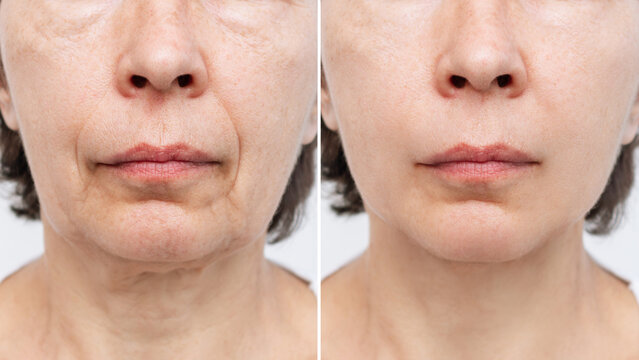
This was the top performing ad for this brand.
This worked well because it showed the visual benefit of the product.
Practical Application: System Used Across All Stores
1. Define Acquisition Math
Each store established:
Break-even CPA based on margin or LTV
Target ROAS for scaling
Minimum Conversion Rate benchmarks
Example:
Posture brace store break-even CPA = $30.70
Target CPA for scaling = $18–$22
2. Build Weekly Creative Pipeline
Execution standard:
15–30 new creatives per week
Structured variation across hooks, formats, and messaging angles
Static-first testing to maximize iteration speed
This maintained hit rate across all accounts.
3. Campaign Structure
Consolidated campaigns to maximize data density
Broad targeting with minimal segmentation
Budget allocation concentrated on proven ad sets
This improved optimization efficiency and reduced CPM volatility.
4. Performance Evaluation Framework
Each creative was evaluated on:
CTR for engagement
CPM for auction efficiency
Conversion Rate for funnel alignment
CPA for acquisition cost
ROAS for profitability
A creative was only considered a “hit” if it met CPA thresholds within a defined spend window.
5. Replacement and Scaling System
Creatives exceeding CPA targets were paused
New creatives replaced them immediately
Budget increased only when hit rate remained stable above ~18%
This prevented performance decay during scaling phases.
6. Use Visual Examples over Written ones.
Creatives perform better when you:
Show the visual benefit
The benefit is valuable
The ICP of the ad aligns with the visual
Common Mistakes Observed Across Stores
Low Testing Volume
Accounts testing fewer than 5 creatives per week consistently experienced unstable CPA.
Over-Reliance on Single Winners
Scaling based on 1–2 strong creatives led to rapid fatigue and declining ROAS.
Ignoring LTV in Decision Making
Stores with repeat purchase potential under-scaled due to conservative CPA thresholds.
Fragmented Campaign Structures
Multiple small ad sets reduced signal quality and slowed optimization.
Conclusion
Across multiple ecommerce stores, successful Meta ad performance followed the same pattern.
Results were driven by:
Defined acquisition math
Consistent creative throughput
Stable hit rate
Controlled scaling based on CPA and ROAS
The difference between inconsistent and scalable performance was not creative quality alone. It was the system used to produce and evaluate creatives over time.
FAQ
How I ran successful ecom ads on Meta across different niches?
The same system applied across niches by adjusting CPA targets, AOV, and LTV assumptions.
What ROAS is considered scalable for ecommerce?
A ROAS above 2.5x is typically scalable if CPA remains stable and margins support reinvestment.
How many creatives should I test weekly?
Testing 15–30 creatives per week is required to maintain consistent hit rate at scale.
What is the most important metric for scaling?
CPA relative to LTV or margin determines whether scaling is sustainable.
Why do winning ads stop working?
Creative fatigue reduces engagement and increases CPA over time without replacement testing.
Need more hands-on help?
If this article got you thinking, but you want done-for-you Facebook ad management on a performance basis, check out Affilicademy.com.
They only get paid when your ads perform, and yes — there’s a free trial so you can see it in action before committing.
And yes, we’re partnered with them, so reading this article helps us pay the bills and keep these guides free for you.